If you own a home on Cape Town's Atlantic Seaboard, short-term letting is one of the strongest income opportunities in South African property. But what can a property here actually earn on Airbnb, and what separates a home that ticks over from one that performs? This guide explains what drives the numbers and how to lift them.
What drives short-term rental income
Your earnings come down to three things working together: your nightly rate, your occupancy (how many nights you fill), and your costs. A high rate with low occupancy can earn less than a sensible rate that stays booked, which is why pricing and demand have to be managed together rather than guessed at. The goal is the best achievable rate at the best achievable occupancy, across the whole year.
Indicative nightly rates on the Atlantic Seaboard
Rates vary widely by area, size, views and season. As a rough guide for a well-presented, well-run home:
| Property | Indicative nightly rate |
|---|---|
| 2-bed apartment | R5,000 - R8,000 |
| 3-bed home | R8,000 - R12,000 |
| Flagship villa with pool and views | R12,000 and up |
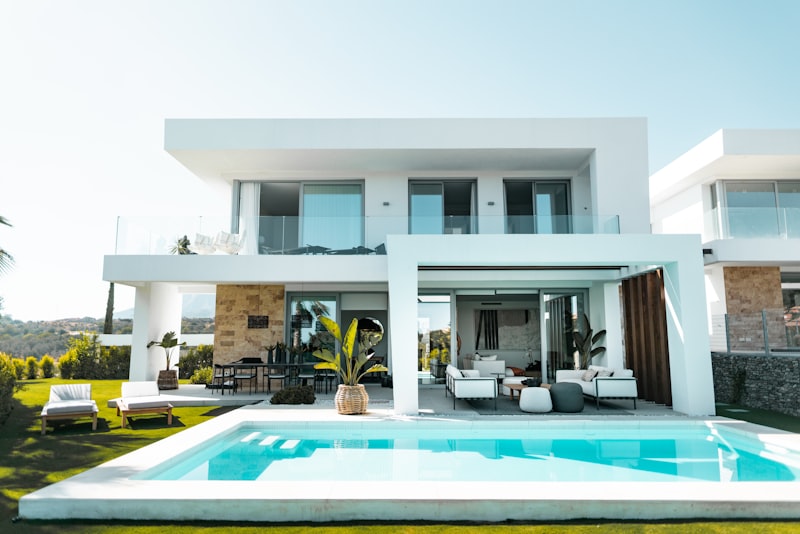
These are indicative only. Peak festive-season rates over December and January run considerably higher, while winter rates soften. Position matters enormously: an ocean view, a pool, and proximity to the beach can each move the rate up significantly.
Seasonality is everything here
The Atlantic Seaboard is highly seasonal. December and January are extraordinarily strong, with peak demand and premium rates, and the summer months from November to March do the heavy lifting on annual income. Winter is quieter and needs sharper pricing and marketing to keep occupancy up. Getting the seasonal pricing right is one of the biggest levers on your total return, which is exactly what dynamic pricing tools are built to handle.
How to lift your earnings
- Dynamic pricing. Adjusting rates daily to match demand captures peak value and protects off-season occupancy. Static pricing leaves money on the table.
- Professional presentation. Quality photography and a well-written listing directly raise both your booking rate and the price guests will pay.
- Five-star guest experience. Great reviews lift your ranking and your rates, and happy guests return and refer others.
- Direct bookings. Building bookings outside the platforms avoids commission and improves your net return. See our guide to direct booking versus Airbnb.
- Tight operations. Reliable changeovers and proactive maintenance protect your reviews and your home. See the technology behind a well-run rental.
Costs to factor in
Against gross income, budget for cleaning between stays, maintenance, consumables, platform commission where applicable, utilities, insurance, and management if you use a manager. Worth noting too: Cape Town is tightening how short-term lets are rated, which may affect fixed costs for some owners. Read our guide to Cape Town's short-term letting rules.
Veida Properties offers a free, no-obligation assessment: we study your property and the local market and give you an honest income estimate. We charge a flat 15% management fee, with cleaning and maintenance passed through at cost, no mark-up. Request your assessment.
Figures in this guide are indicative only and reflect general market conditions on the Atlantic Seaboard as at June 2026. Actual earnings vary by property, season and management. This is not financial advice.